SOFemArt Staff
1/31/2026
•
5 min read

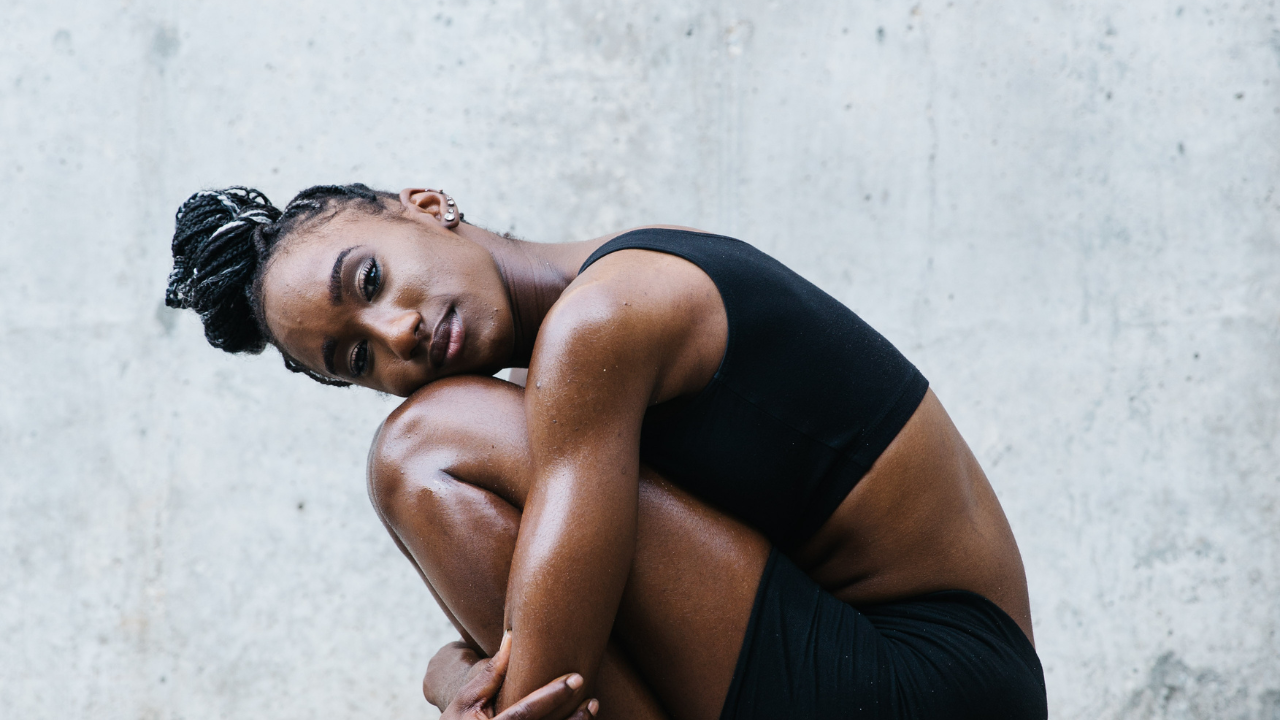
Whether she’s building training pathways for young dancers or crafting performances that invite reflection and dialogue, LaTeisha Melvin approaches choreography as a collective experience. Through founding initiatives like MUVE|MEANTS and leading theEnsemble Dance Collective, she bridges rigorous training with expressive inquiry, creating spaces where dancers are strengthened both technically and emotionally. In the conversation, she explores how Baltimore’s artistic landscape informs her values, why collaboration sits at the center of her creative process, and why she decided to participate in SheROCKS again.
Q: When did you first recognize dance was your primary path as an artist?
LaTeisha Melvin: Dance has always been a part of my life. I began dancing in the church, where I discovered a love for movement at a very young age, and it simply stayed with me. As my training deepened at the Baltimore School for the Arts, I realized dance was more than a passion. It was a path I wanted to commit to long term. Those experiences confirmed that movement was not just something I enjoyed, but the foundation of who I am as an artist.
Q: You’re known for technical precision and the emotional depth of your choreography. What does your creative process look like when planning a performance?
LaTeisha Melvin: My creative process is deeply collaborative. It often begins with sound or texture that I feel an immediate connection to, which then becomes the catalyst for movement. As the concept starts to take shape, I bring the work into the studio with my company, theEnsemble—using them as a vessel to expand, question, and deepen the material. The movement becomes a fusion of my choreographic voice and the lived experiences the dancers bring into the space. That exchange is what gives the work its emotional depth. As each artist contributes a distinct perspective and movement quality, that shapes the piece into a fully realized performance.
Q: How has the city of Baltimore shaped you as both an artist and a community-centered collaborator for other dancers?
LaTeisha Melvin: Baltimore is home. It’s where my foundation was built and where I intend to continue growing and contributing to the city’s arts scene. The diversity of Baltimore has deeply influenced the work I create. Being surrounded by artists of different backgrounds, artforms, and perspectives constantly shapes my voice. The city’s openness and willingness to pour into the community has taught me the importance of collaboration, shared resources, and creating space for others. That sense of collective care and creativity is at the core of how I move as both an artist and a community-centered collaborator.
Q: As an instructor, you emphasize both individual growth and collective artistry. How do you design learning spaces that make dancers feel both challenged and supported?
LaTeisha Melvin: As an instructor, I believe in creating learning spaces that both educate and engage. I intentionally design my classes to meet dancers where they are creatively and technically so they feel seen while still being challenged to grow. Teaching across various studios has allowed me to build inclusive environments that honor different learning styles, bodies, and artistic voices. I place a strong emphasis on conditioning and strengthening the body, believing that a solid foundation is essential for longevity. By balancing technical rigor with encouragement and care, I aim to foster spaces where dancers feel supported, empowered, and invested in contributing to the collective artistry of the room.
Q: You founded MUVE|MEANTS during the pandemic to train young artists. What gaps were you seeing in dance education that inspired you to create this platform?
LaTeisha Melvin: During the pandemic, much of my students’ training came to a sudden halt, which was especially challenging for those preparing for collegiate or professional paths. Many of the studios I worked with shut down, leaving dancers searching for a new sense of home and consistency. Unlike many other art forms, dance requires ongoing rigor to maintain technique, strength, and tone. Recognizing this gap, I used Zoom to stay connected with students and continue supporting their training during an uncertain time. As word spread about my approach and emphasis on strength building, what started as a temporary solution evolved into MUVE|MEANTS, a platform designed to provide continuity, access, and high-level training. Today, it has served more than 10 studios and over 50 students, filling a critical gap in dance education in the DMV area and reinforcing the importance of sustained, accessible instruction.
Q: theEnsemble Dance Collective highlights fusion, diversity, and community. How is this different from MuveMeants and what conversations do you hope audiences are having after witnessing your work with the collective?
LaTeisha Melvin: MUVE|MEANTS and theEnsemble Dance Collective serve two very different, yet complementary, purposes in my work. MUVE|MEANTS is strictly a training-based service, focused on one-on-one coaching, audition preparation, and guest teaching, with an emphasis on building strong, sustainable technique. In contrast, theEnsemble Dance Collective is a community of freelance artists brought together to perform work rooted in a shared experience. Through the collective, I am less focused on instruction and more invested in dialogue—using performance as a way to explore identity, connection, and the human experience.
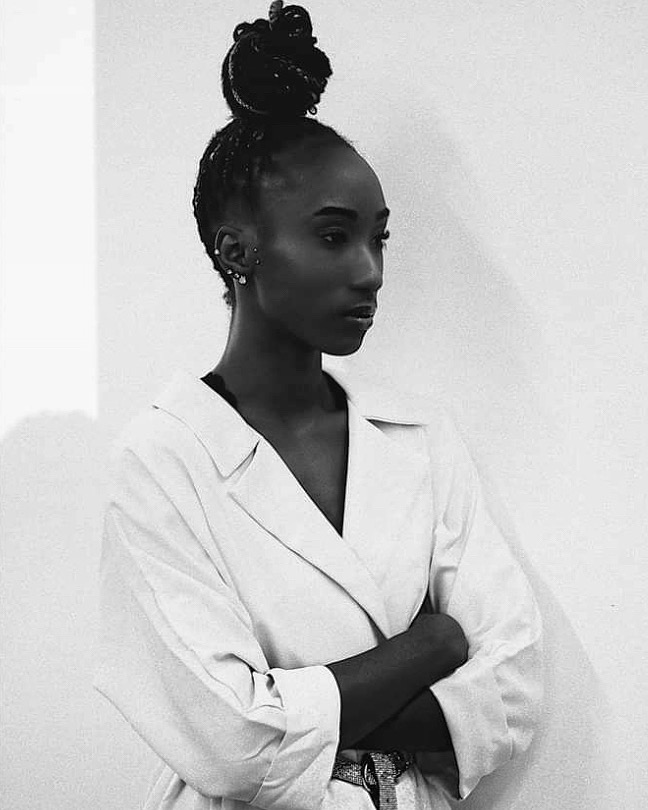
Q: Is there a moment or performance that felt especially transformative for you or your dancers?
LaTeisha Melvin: One of the most transformative performances for me to date is my senior capstone, Better | Left, choreographed in 2015. I created the work after sustaining an injury during my junior year that forced me to take a semester off and return later, ultimately graduating behind my original class. The piece held both the physical and emotional weight of that experience of navigating recovery, isolation, and the uncertainty of returning to my body and my craft in the same way.
Looking back, the work feels almost prophetic. It mirrored a sense of collective pause and isolation that we would all experience less than five years later. I often think about how the duality of time has a way of revealing purpose—how moments of stillness and struggle can later gain new meaning. That introspection continues to live in my work, inviting both my dancers and audiences to reflect, sit with complexity, and find connection within vulnerability.
Rapid Fire: Improv or choreography with a sunrise rehearsal or late-night creation session? (You can only pick one each.)
LaTeisha Melvin: Late Night - Choreography session
Q:: You're a SheROCKS alumni artist. What made you resubmit to be a part of the showcase again and what are you most excited to share with the audience this time through dance?
LaTeisha Melvin: Once I saw that SheROCKS was happening again, I knew it was something I wanted to be a part of. The showcase is intentional, inclusive, and truly woman-centered, which made the experience feel both affirming and empowering the first time around. I built meaningful connections and had the opportunity to present my work to a broader audience than I typically reach.
Returning to the showcase feels like a continuation of that dialogue. This time, I’m most excited to share work that reflects my growth both artistically and personally, and to offer the audience a deeper, more layered experience through movement and to support the celebration of women’s voices.