SOFemArt Staff
12/4/2025
•
5 min read

.png)
With a background in broadcast journalism and years spent documenting high-intensity moments across Washington, DC and beyond, Emily Alff brings a storyteller’s instinct to every shot she composes. Her work spans protests, black-tie events, public celebrations, and intimate portraits, yet the throughline remains her ability to capture connection. In this SheROCKS 2026 Artist Q&A, Emily shares the rituals, experiences, and values that shape her perspective behind the lens.
Q: Your background in broadcast journalism gives you a unique lens on storytelling. How has that shaped the way you approach photography today?
Emily: In my career as a news and video producer, I’ve spent almost a decade learning how to identify what’s important to a story and what value the story itself brings. Those skills make me sharp in the field with my camera. I’m able to quickly react and chase a scene others haven’t seen yet.
Being a producer has also helped me define my own style! I have personal preferences around aesthetics, and that translates into my photography. As a result, I aim to not only capture the moment, but to capture it cinematically. I create what I also enjoy.
Q: You’ve photographed everything from protests to high-society events. What draws you to such a wide spectrum of human experiences, and how do you shift your perspective between them?
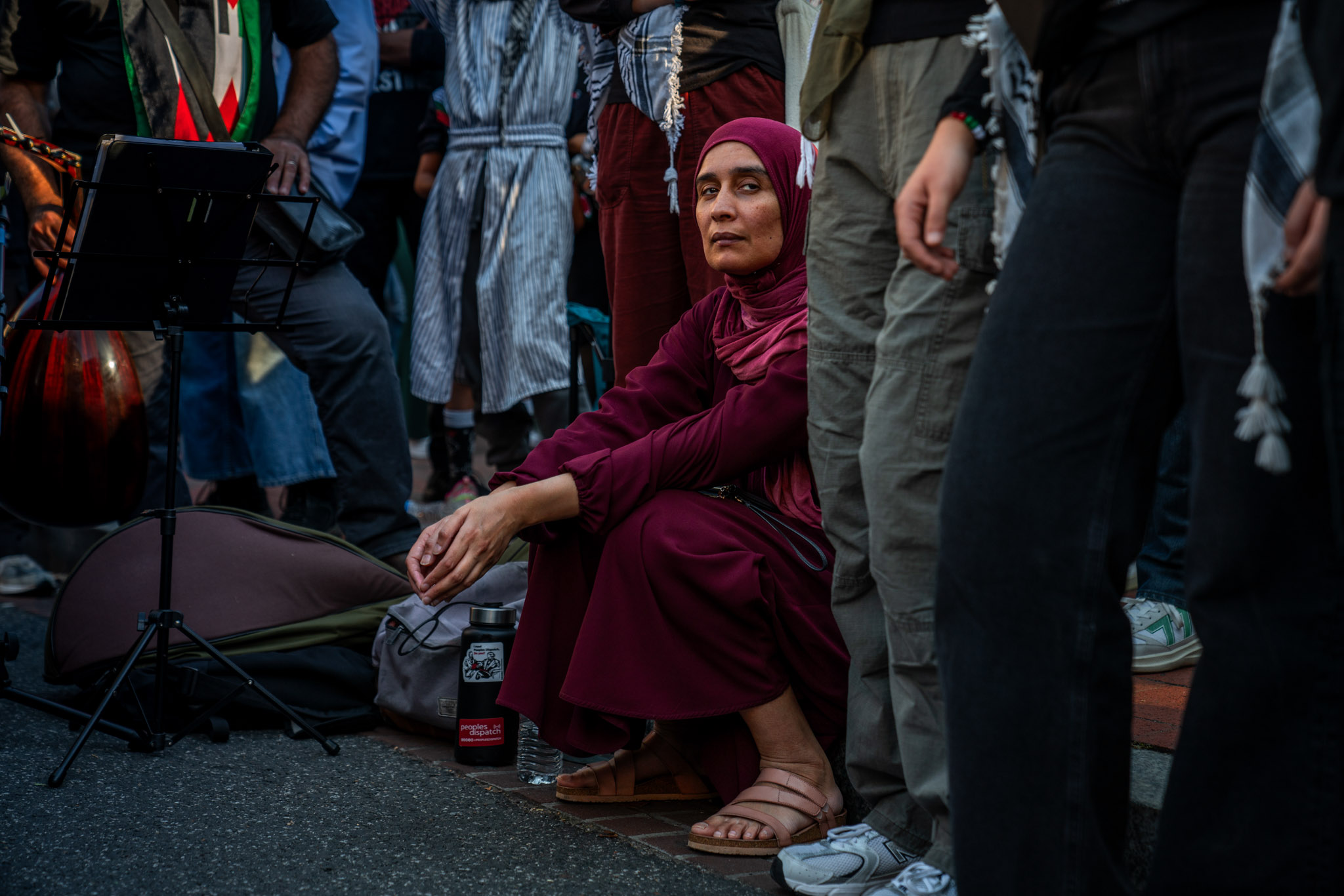
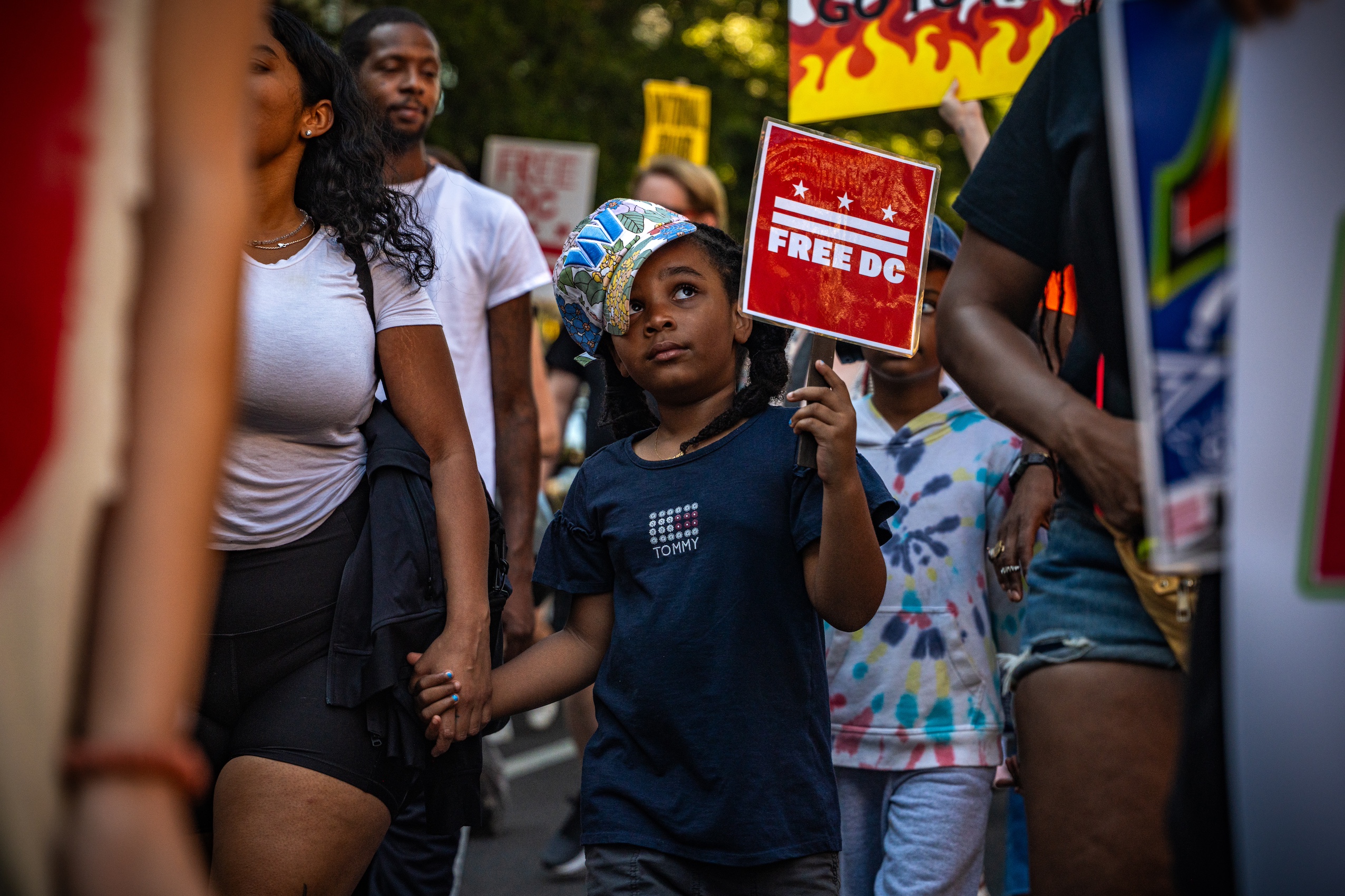
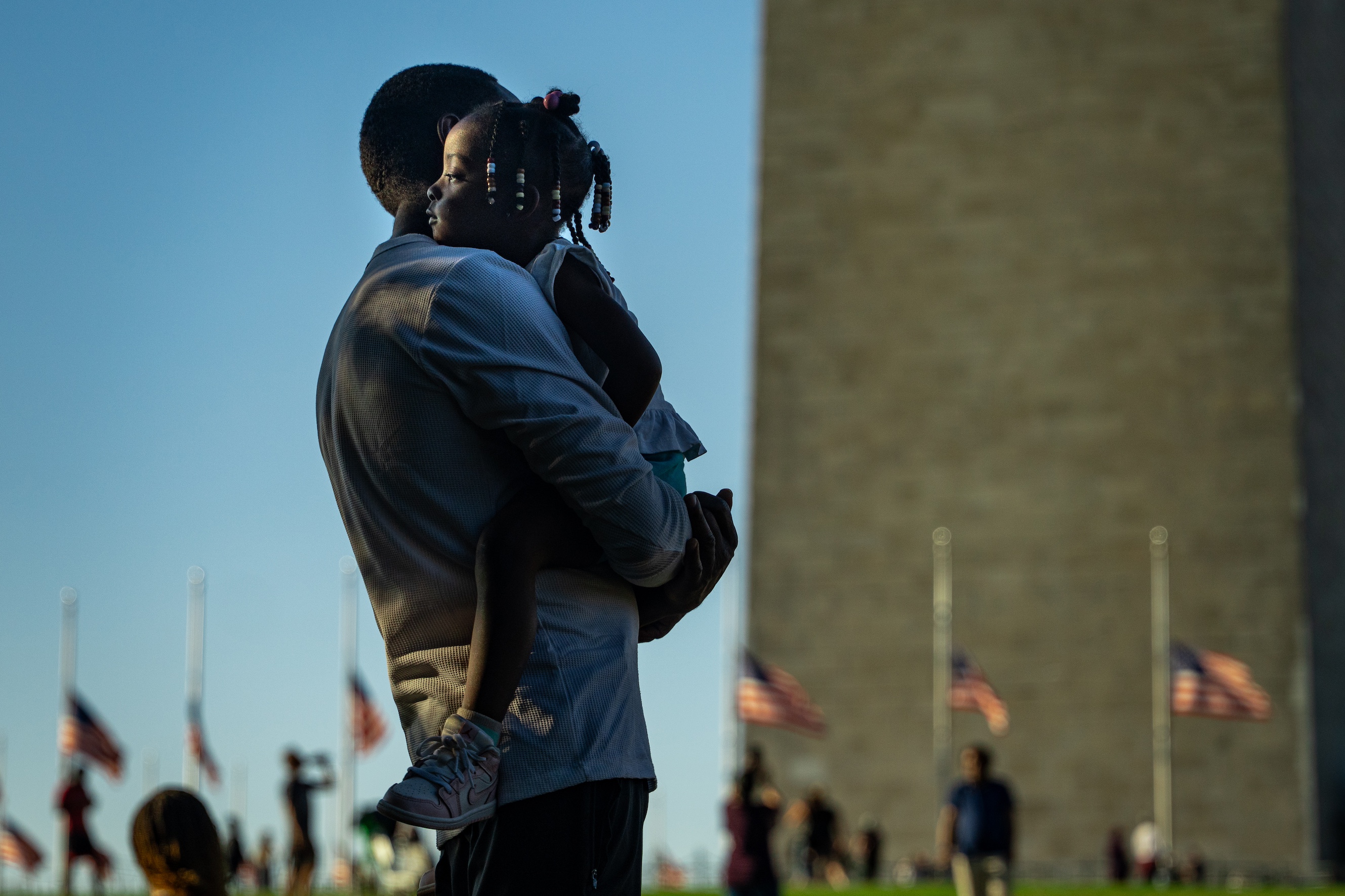
Emily: I’m drawn to high energy -- whether that be in a protest, a gala, or a concert. I love the feeling of crowds moving, voices rising, emotions flowing -- it fuels me. But inside that high energy, I always look for the smaller moments that others may have missed: the texture of rain on someone’s cardboard sign, the silhouette of a father and daughter taking a rest from the crowd, the light hitting a pinned sign on a protester’s clothes. In those details, I find photos that show how we’re really human.
Q: When you’re documenting a moment in real time, what’s the first thing you look for, the emotion, the composition, or the story unfolding?
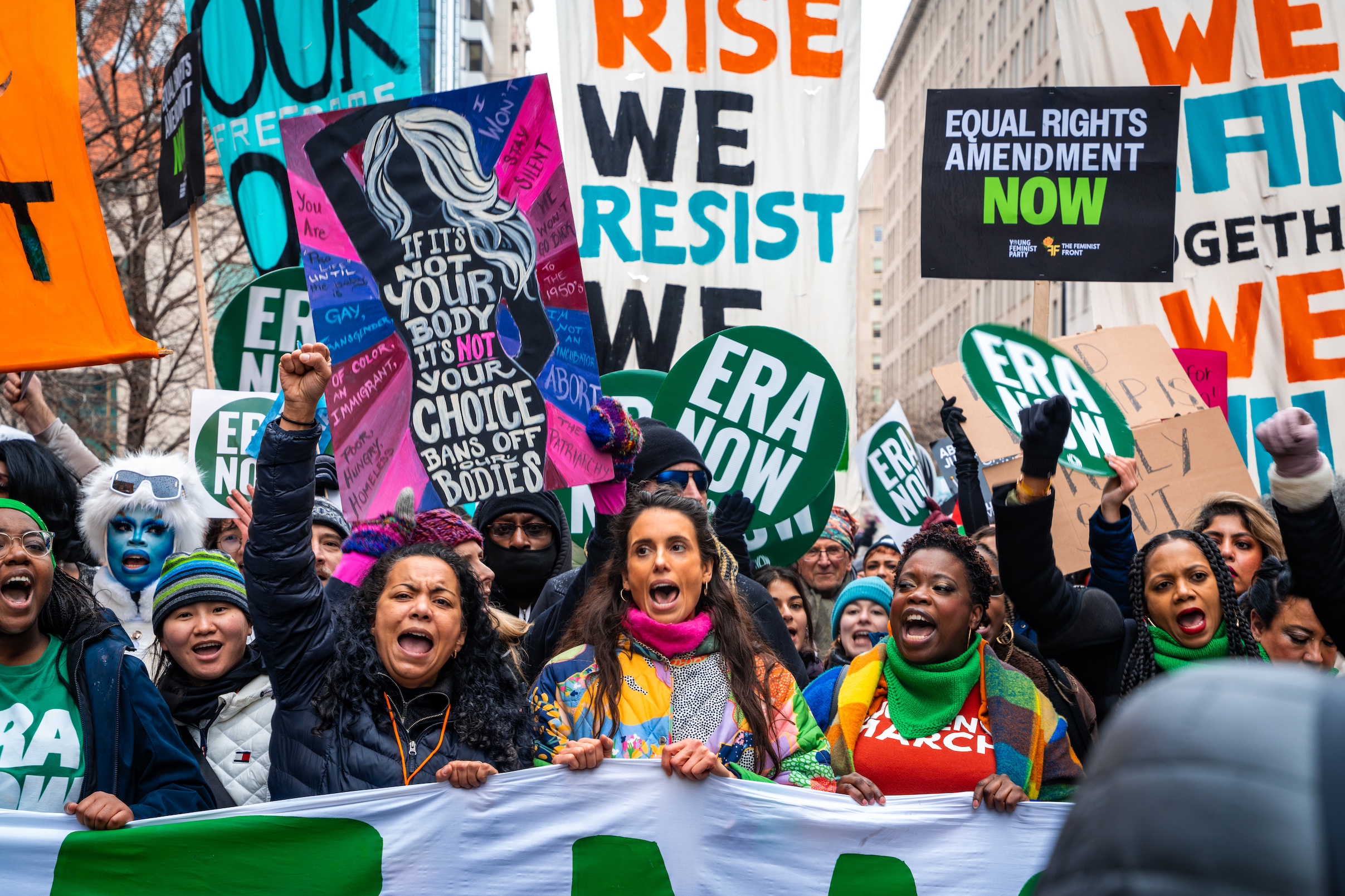
Emily: I always look for moments of connection -- what is the relationship between all the elements in my frame, and how does the viewer, in turn, relate to them?
Q: Photography in DC comes with its own rhythm and energy. How does the city influence your creative process or the subjects you’re most drawn to?
Emily: People are often surprised to hear that anyone “actually lives” in DC. As a transplant myself, I can empathize with where they’re coming from. When I moved from Houston in 2019, I really struggled to adjust. To me, the city felt too small, the cars drove too slow, and the people were too stuffy. It took several years for me to really discover and appreciate the city on its own terms. But after nearly four years of living in the District, I’ve seen the resiliency, the strength, and the passion of DC residents -- and I’m drawn towards those kinds of stories. Just as I want to take photographs that show a DC beyond the Capitol, I also want to show how any community moves beyond others’ expectations. As a result, I’m always trying to find the unexpected angle, the interesting perspective to show how people exist in all their realities.
Q: What’s a story you’ve captured recently that stayed with you longer than expected?
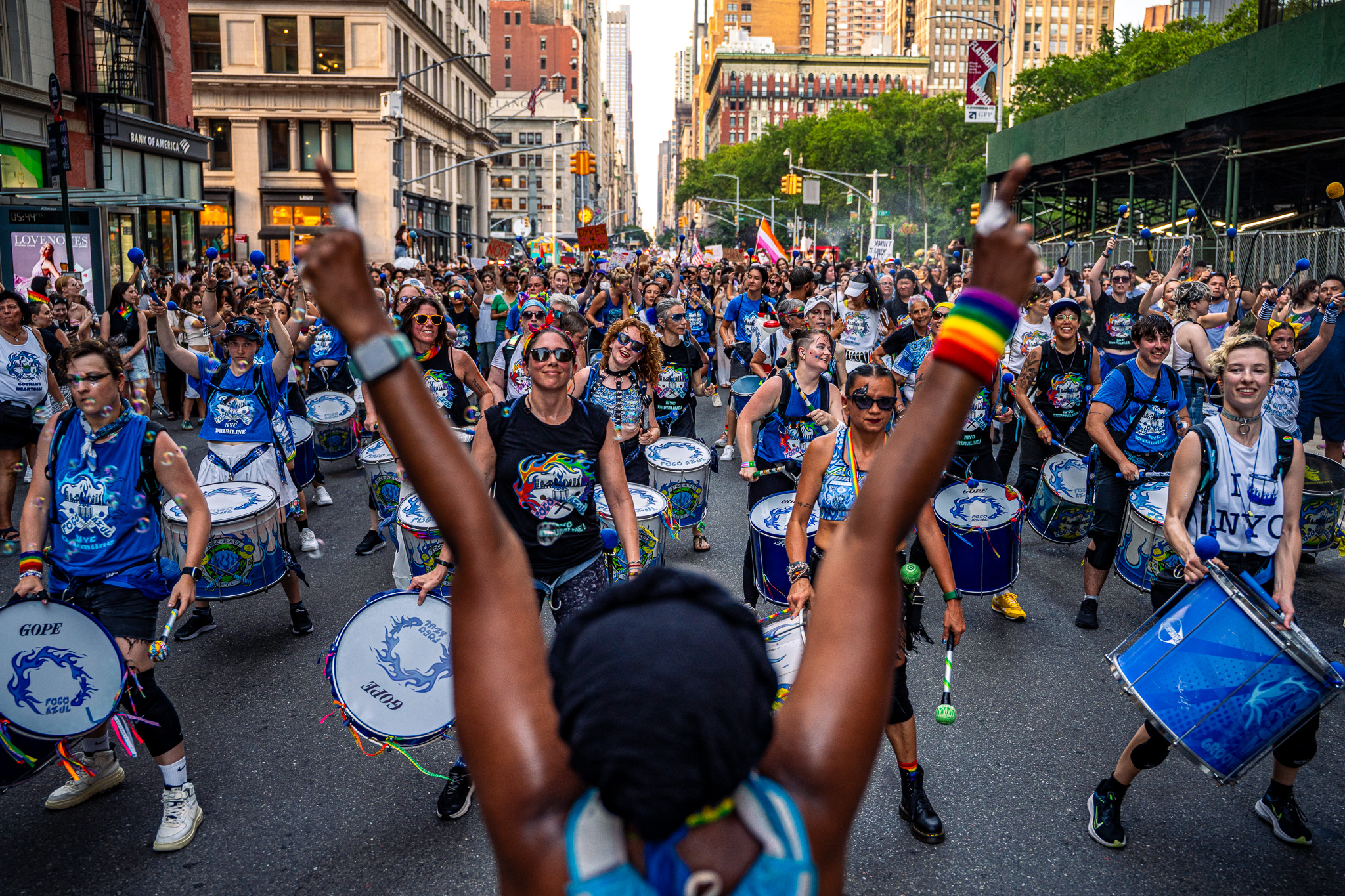
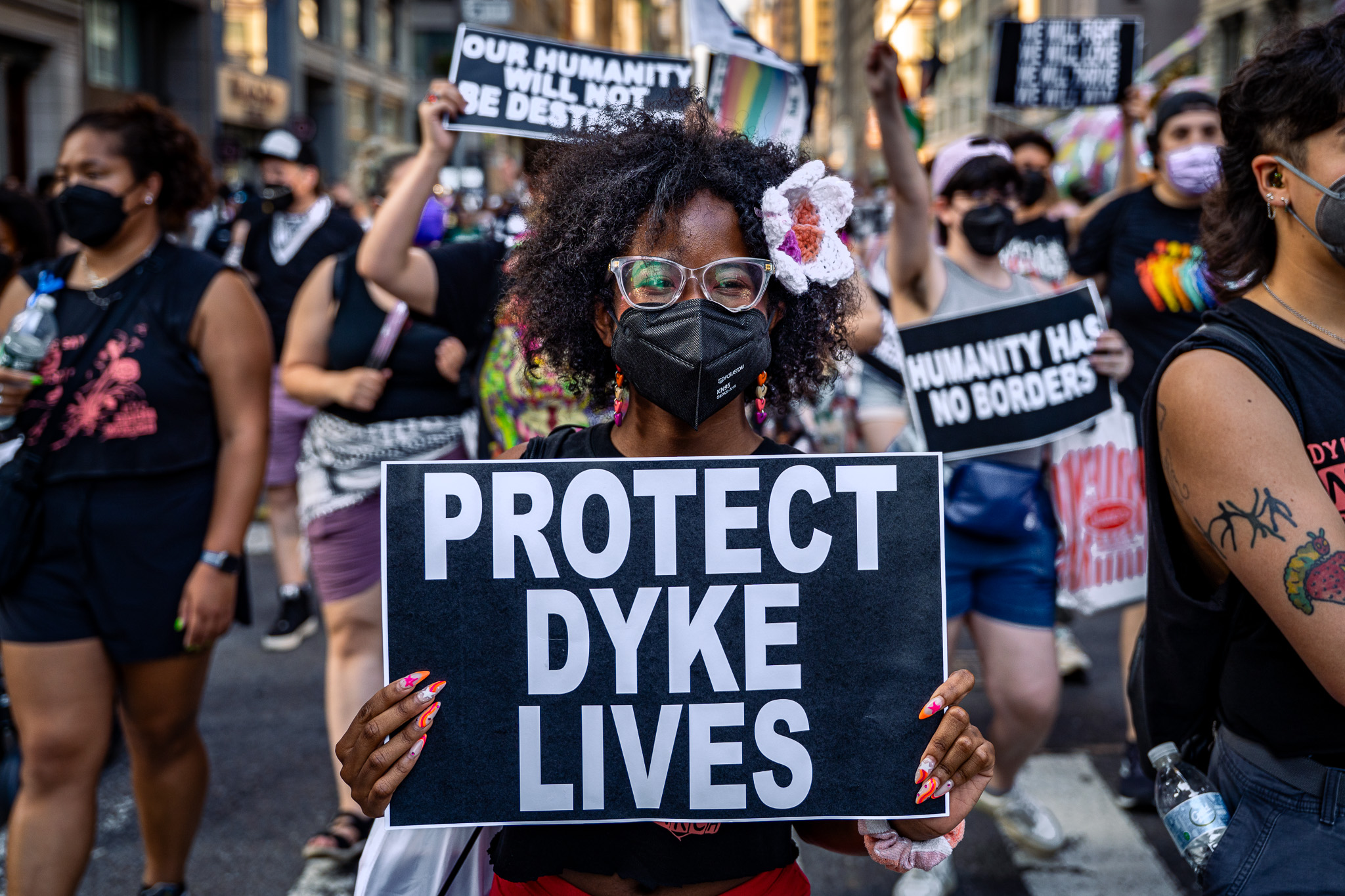
This past June, I had the opportunity to photograph New York City’s Dyke March. The protest itself is already deeply moving, but the march ends with a spontaneous topless dance party in Washington Square Park. Every dark moment since, I’ve thought about the queer joy and love in that water fountain. I’m honored to have had the opportunity to see and document dykes so naturally and openly, and I especially hope the photos I capture create a personal connection for any viewer, beyond this specific queer community in New York City.
Q: Your work spans both public and intimate spaces. How do you build trust with subjects whether in the chaos of a protest or one-on-one session?
Emily: When I’m photographing, especially in protests, I try to build trust as quickly as I can: I make deliberate eye contact, I come with curiosity and ask sincere questions, and I actively listen to my subjects. These moments are brief -- I’m often walking backwards with a crowd, and my subject is trying to focus on the march itself -- but it’s important for me to show how seriously I consider each of my frames. Photographers “take” photos, and each image isn’t something we’re owed. I try to make my intentions to document as clear as possible, so that my subjects also feel comfortable while sensing the importance of the moment.
Q: Outside of photography, your love for books, thrifting, and walks through the city feels very observational. How do those personal rituals fuel your artistic eye?
Emily: I’m endlessly fascinated by the stories we just can’t know. When I’m holding a secondhand book or thrifting for a sweater, my imagination races to picture the lives it may have had before it got to me. The feeling motivates me even more to tell stories and to discover the lives of others.
Q: Your portfolio reflects a deep curiosity about people. What do you hope viewers understand or feel when they encounter your images?
Emily: On a daily basis, our screens are flooded with media and images, to an overwhelming extent. I hope viewers of my work see something outside the norm or something unexpected that makes them pause.
Rapid fire: Your camera bag go-to not including your camera?
Sunscreen! I know my limits.
Q: What are you most excited for audiences to experience when they see your work at the March 2026 SheROCKS showcase?
Emily: I want my audience to experience a moment of immersion. In my work, I strive to create images that create the feeling of “being there” for a distant viewer, so I hope each person feels as if they can bear witness to the image.
I’m also excited to experience an audience experiencing my work. Particularly in the digital age, being a photographer means publishing your photos to an internet void, never being able to see how it's received through the other side of the screen. In that way, I’m excited for the chance to participate as a witness myself.